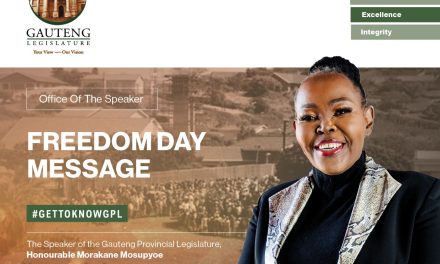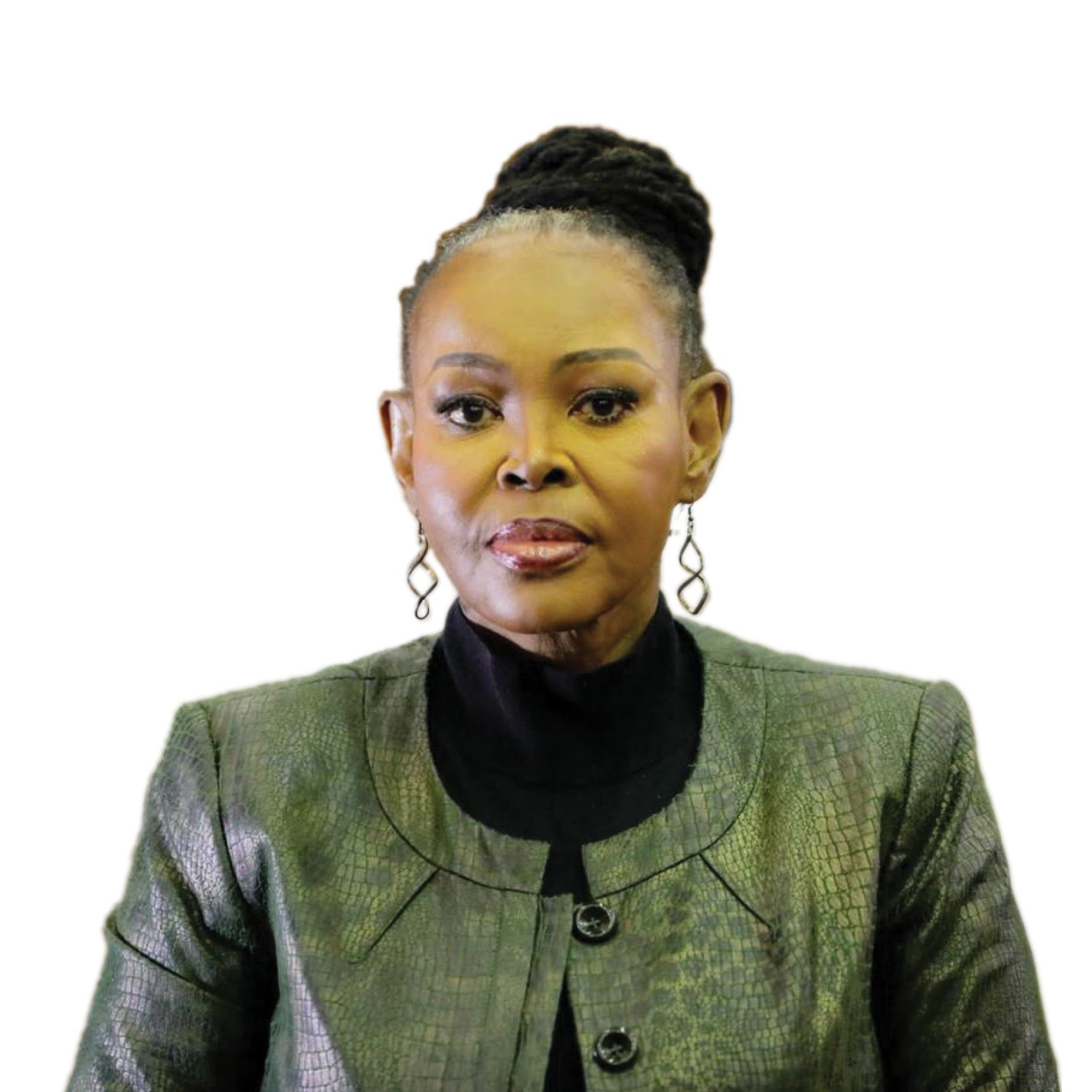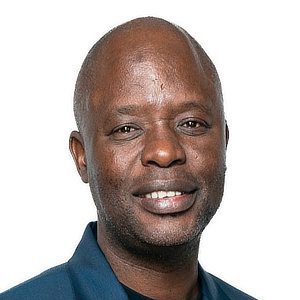
The Speaker of the Gauteng Provincial Legislature, Hon. Morakane Mosupyoe, today engaged with alumni and public sector leaders on ethical leadership, accountability, and good governance. The engagement formed part of ongoing efforts to strengthen ethical public service and foster responsive leadership.
The Gauteng Provincial Legislature also conducted a voter education programme at the institution, aimed at deepening democracy, promoting civic responsibility, and encouraging active citizen participation.
Remarks for the Speaker of the Gauteng Provincial Legislature, Hon. Morakane Mosupyoe at Ga-Rankuwa TUT today.
Distinguished guests, Honourable Members of the Legislature, Leaders from government, academia, business, and civil society,
Ladies and gentlemen, It is both an honour and a privilege to address you today on a subject that lies at the heart of democratic progress and institutional transformation: Leadership in Governance and Public Policy.
As public representatives and custodians of democracy, we carry a constitutional responsibility that extends far beyond political office. We are entrusted with the sacred duty to serve our people with integrity, accountability, and unwavering commitment to the public good. Leadership in governance is not measured by authority alone; it is measured by our ability to inspire trust, strengthen institutions, and improve the lives of the people we serve.
The Gauteng Provincial Legislature has consistently positioned itself as a progressive institution committed to ethical governance, responsive leadership, and meaningful public participation. Our constitutional mandate requires us to conduct oversight over the Executive, facilitate public involvement in legislative processes, promote cooperative governance, and ensure that laws passed by this House respond directly to the aspirations of our people.
Today, as we confront persistent challenges such as inequality, unemployment, poverty, corruption, and service delivery pressures, the importance of principled and visionary leadership cannot be overstated. Citizens are demanding more responsive governments, more transparent institutions, and more accountable leaders. They are asking not only for promises, but for measurable outcomes and tangible improvements in their daily lives.
In Gauteng, we understand that leadership in governance must be people centred. This means placing communities at the centre of decision-making processes and ensuring that governance systems remain accessible, transparent, and participatory.
The Gauteng Legislature’s strategic plans reaffirm our commitment to building a capable and robust Legislature that fosters confidence in democracy and improves the quality of life of our people.
Leadership in public policy also demands courage the courage to make decisions that may not always be politically convenient but are necessary for long-term social and economic development. Effective public policy must be evidence-based, inclusive, and sustainable. It must respond to the lived realities of citizens while preparing society for future challenges.
As leaders, we must embrace innovation and adaptability. The world is changing rapidly through technological advancement, economic shifts, climate challenges, and demographic transformation. Governments that fail to evolve risk becoming disconnected from the very people they are meant to serve. We therefore have a responsibility to modernise governance systems, strengthen institutional capacity, and improve the efficiency of public administration.
Equally important is the principle of accountability. Strong leadership is inseparable from ethical conduct. Public trust can only be sustained when institutions operate transparently, and leaders are held accountable for their decisions and actions. The Gauteng Provincial Legislature remains committed to strengthening oversight mechanisms and ensuring that public resources are utilised responsibly and effectively. Oversight is not merely a constitutional obligation; it is a moral imperative that protects democracy and safeguards public confidence in government.
We must also acknowledge that governance is no longer the responsibility of government alone. It requires partnerships between the public sector, private sector, academia, labour, youth formations, traditional leaders, and civil society organisations.
Collaborative leadership enables us to harness collective expertise and mobilise society towards shared developmental goals.
In Gauteng, we continue to advance cooperative governance because we recognise that sustainable development can only be achieved when institutions work together across all spheres of government. Fragmentation weakens service delivery; collaboration strengthens it. Our responsibility as leaders is therefore to build bridges, not barriers.
Ladies and gentlemen, Leadership is ultimately about service. It is about listening to communities, understanding their concerns, and responding with empathy and decisiveness. It is about ensuring that no community feels forgotten, excluded, or voiceless. Through public hearings, oversight visits, petitions, stakeholder engagements, and community outreach programmes, the Gauteng Provincial Legislature continues to deepen democratic participation and bring government closer to the people.
Young people, in particular, must see leadership as an opportunity to transform society positively. We must cultivate a new generation of ethical and capable leaders who value integrity, inclusivity, constitutionalism, and servant leadership. The future of governance depends on leaders who are committed not to self-interest, but to nation-building and social justice.
As we reflect on leadership in governance and public policy, let us recommit ourselves to the principles that define democratic leadership:
• Accountability and transparency.
• Ethical governance and integrity.
• Inclusive public participation.
• Responsive and evidence-based policymaking.
• Cooperative governance and institutional excellence.
• Service to the people above all else.
These principles are not abstract ideals. They are the foundation upon which a capable developmental state must be built.
In closing, let us remember that leadership is not about occupying positions of power. It is about creating hope where there is despair, restoring trust where there is doubt, and building institutions that future generations will be proud to inherit.
The Gauteng Provincial Legislature remains steadfast in its commitment to advancing democratic governance, strengthening oversight, and promoting policies that improve the lives of all the people of Gauteng.
Together, through visionary leadership and collective action, we can build a province that is more inclusive, more accountable, more prosperous, and more just.